VC Victor Chong

Victor Chong

ICT entrepreneur since 2002 · SIRIM & MCMC type approval · Blockchain enthusiast · Options trader

GitHub Telegram Instagram YouTube X Facebook

What Billionaires Actually Eat

A ten-part series — diets, exercise, and the longevity claims of the ten richest people, told as stories with the reveal at the end. Each part is featured in full below; open the individual posts for source citations.

Part 1 of 10

The Loudest Man in the Gym
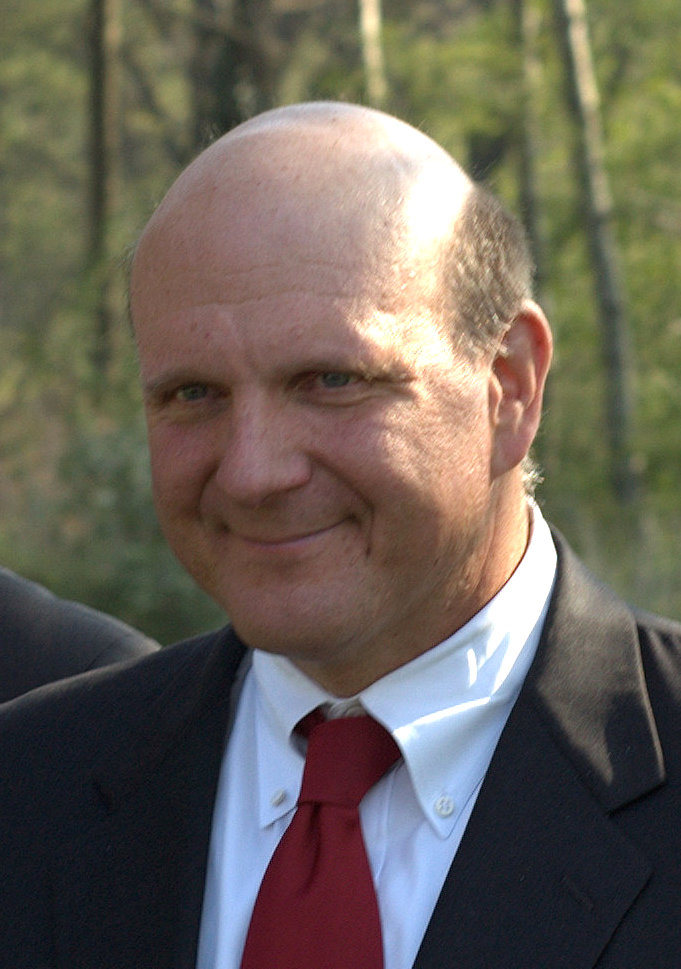
Steve Ballmer

The former Microsoft CEO is famous for two physical things, and neither of them is subtle.

The first is a story from the Microsoft years that has hardened into fact through repetition: that he did hundreds of sit-ups a day, between meetings or before a shower, not for his health but because he liked a number that went up. Nobody has ever produced the tape, and no interview in the record has him saying it in his own words — treat it as a legend with a very good publicist. What is documented is the energy: the treadmill desk he answered email from while walking, the bounding entrances, a man who has always treated exercise as energy management for someone with far too much of it rather than as medicine.

The second is recent and visible. Photographs from Clippers games and from 2024–2026 appearances show a man considerably lighter than he used to be — press estimates have him somewhere in the low 230s, down from around 280 — in his late sixties, and by his own account without the celebrity machinery: less food, more walking. No chef, no lab, no documentary. In his own telling, a morning goes: up, walking with his wife, a little meditation, breakfast with his son, then the elliptical and some stretching. A routine so conventional it is almost defiant for a billionaire.

What he eats in detail nobody has ever documented, which is itself the story: the loudest executive of the software century is, about food, boring. He discusses weight the way an accountant discusses inventory. He is a known wine-and-steak socialiser at events; no fasting, no named diet. The record says: moderate, plain, American.

His stated longevity theory has nothing to do with carrots or ketones. It is the Clippers courtside, the donation cheques, the family lunches: stay in the game, be where the enthusiasm is — and he does argue, with a straight face and a cadence built for arenas, that joy is a cardiovascular intervention.

His name is Steve Ballmer. He is 70 years old, the ninth-richest person in the world at about $162 billion, and the only billionaire on this list whose exercise prescription is, reputedly, a few hundred sit-ups and a long walk with his wife.


Sources & citations

  • Morning routine (walk with wife, meditation, breakfast with son, elliptical) — celebritydailyroutine.com compilation, quoting his own interviews
  • Sit-up habit — recurring press anecdote from the Microsoft years; no primary source located (checked Nov 2026), hence hedged above
  • Weight change (2024–2026) — press-reported; all figures are estimates
  • Net worth: Forbes Real-Time, Nov 2026

Part 1 of the series “What Billionaires Actually Eat.”
Part 2 of 10

The Man Who Ate Four Cheeseburgers a Week

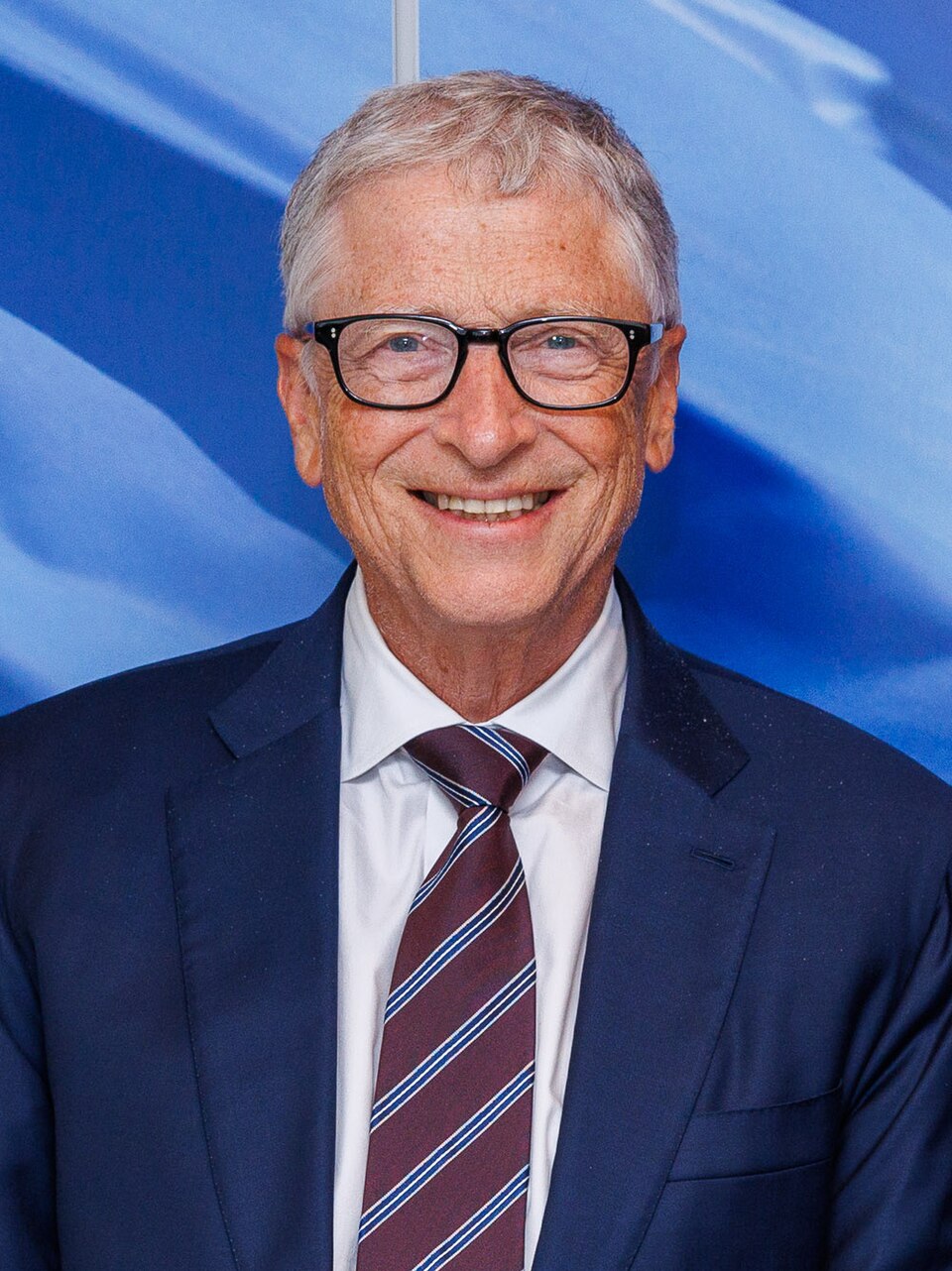
Bill Gates

He once survived on a powdered orange drink.

In the earliest days of a tiny software company in Albuquerque, the young founder — too busy to leave his desk, too stubborn to learn cooking — would mix tangy orange powder with water and call it lunch. Later came the years of airline meals and drive-throughs, the habit he describes with total candour: “I never learned how to make a healthy meal for myself, so I ate a lot more fast food than I should have.”

Ask him his favourite sandwich and the answer has been the same for fifteen years, a triple-time refrain in a Reddit AMA that became legend: “Cheeseburger, cheeseburger, cheeseburger.” There is a photograph of the world’s most famous technologist standing in a Seattle drive-in line, phone out, waiting for a burger like every other customer. There’s a Seattle chain — the one his late father used to lunch at while opening mail from people begging for donations — where staff still talk about his regular order: a single with fries.

On a Korean TV show in 2025, host Yoo Jae-suk asked if it was true. The guest laughed and said yes: hamburgers and french fries, about four times a week, cheeseburger the chosen one — then immediately added the footnote he’s given interviews for years: he’s cut back on beef because of greenhouse gas.

The compensations are quiet. A treadmill under his desk at home, walking through doctoral lecture DVDs since about 2008. Tennis in the mornings before work, three times a week when health allowed — “tennis is my exercise,” he tells people who expect him to say chess. A nightly ritual of washing dishes. And eight hours of reading before bed, because the thing he has defended most fiercely isn’t a diet at all — it’s sleep. “I basically have to have my eight hours,” he once said. “If I don’t get enough sleep, I just am not good.”

The fast-food confession that made tabloid headlines in the 2010s is by now a small, managed pleasure in a much larger life: private chef at the estate, vegetables he’ll admit to eating, a morning elliptical, a nightly book, a weekly bridge game with the candy-eater in Omaha.

He is the man who ate his way through the entire history of nutritional advice and then funded the vaccine research that may shorten humanity’s obituary list.

His name is Bill Gates. He is 71 years old, worth roughly $110 billion, and he is, by his own cheerful admission, a cheeseburger problem.


Sources & citations

  • GeekWire, “Full interview: Bill Gates on… hamburgers” (2019) — Burgermaster, Dick’s — geekwire.com/2019
  • tvN “You Quiz on the Block,” Aug 2025 (via Chosun Biz) — “hamburgers and fries four times a week” — biz.chosun.com/en/en-entertainment/2025-08-28
  • GatesNotes blog, “Why I’m obsessed with energy/the Tang habit & healthy meals” (2019) — gatesnotes.com
  • Business Insider, “Bill Gates working-from-home routine” (2020) — treadmill desk, tennis — businessinsider.com
  • Vanity Fair (2021) — Burgermaster origin story, bridge with Buffett

Part 2 of the series “What Billionaires Actually Eat.”
Part 3 of 10

The Carnivore Who Forgets to Eat

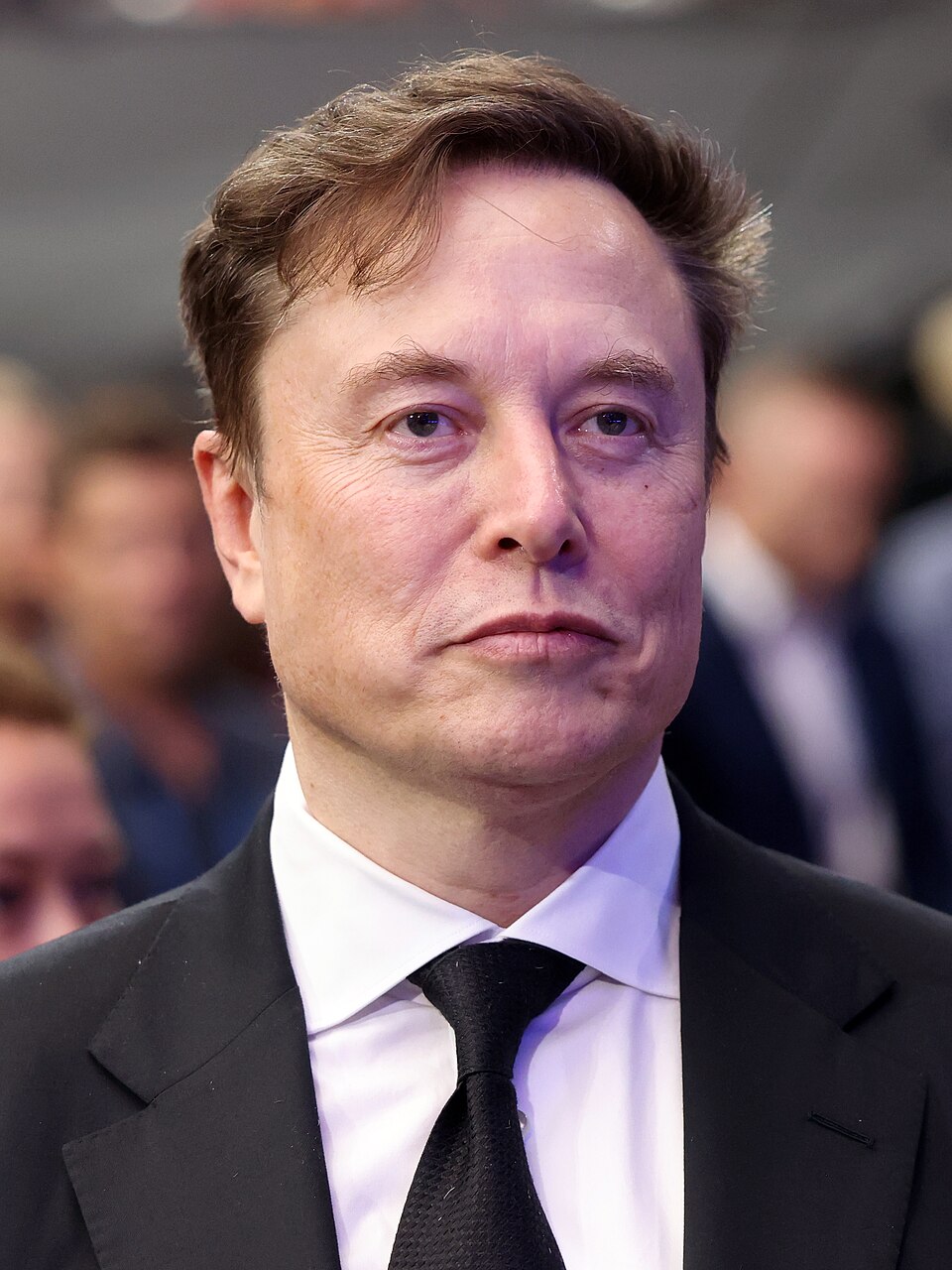
Elon Musk

He has described his relationship with food as “chaos.”

The richest human being on Earth — the man whose rockets fly themselves back to their launch pads and whose cars outnumber Tesla chargers — will tell you, in the same interview, that he eats breakfast like a paleo-obsessed rancher and survives crunch weeks on one meal a day.

The breakfast is documented on his own social network: steak. Eggs. Coffee. Three items, posted with the kind of enthusiasm other people reserve for movie trailers. On a podcast in early 2026 he went further — a carnivore-style morning, animal products, nothing else — before casually declaring the one food he could eat “for the rest of time”: cheeseburgers and fries. “That’s my food group,” he joked, and nobody entirely believed it was a joke.

Because there’s also the donut he’s said he eats most mornings — sprinkles, the old one with holes. The “Dynamite” tweet: the candy bar he ate for the pain, to stay sharp. The deep-fried Snickers he nominated, on the BBC, as his last meal. The repeated, almost-throwaway admissions, across interviews from Rogan to Walter Isaacson’s biography, that during rocket-launch weeks he simply does not eat: “Food is an expensive way to make urine,” he once deadpanned, quoting someone else’s joke about his own lifestyle, and the line stuck because it was funny and partly true.

Alcohol he quit on his own: he’d explain to crowds that a beer makes him grumpy, that he’s figured out he “doesn’t like how alcohol makes me feel,” and so the party of SpaceX is Diet Coke.

Exercise is episodic, brutal, then gone for months. In his twenties he lifted hard — “the best way to feel good after a terrible day,” he’s said — then fell out of it, and now does whatever fits between board meetings, sometimes weights, sometimes running his kids’ footsteps off, sometimes nothing at all. When asked about longevity he has given an answer that would horrify a prevention-medicine conference: he works 100-hour quarters because the work is the life. In his official biography, Isaacson records the phrase he’s come back to: he “leans into pain,” deliberately — stress as training load.

Whether any of this adds years or simply spends them at extreme volume is the open question his body will answer in public. He’s 55 and looks every hour of 20 years he’s spent at the frontier of the impossible.

His name is Elon Musk. He is 55 years old, the world’s richest person at roughly $870 billion, and his diet is the closest thing in the billionaire cohort to a controlled — or uncontrolled — experiment in pure work.


Sources & citations

  • Katie Miller podcast (Mar 2026, via Unilad) — carnivore-style breakfast, “for the rest of time” cheeseburger — unilad.com
  • X posts, Musk (2024) — steak, eggs, coffee breakfast — x.com/elonmusk
  • Alix Earle podcast (2025) — “cheeseburgers and fries are the food group” — widely reported
  • BBC interview (2023) — deep-fried Snickers last meal
  • Walter Isaacson, Elon Musk (2023) — “leans into pain,” donut, work quarters
  • Mashed / Health Digest diet profiles (2025) — compiled X history

Part 3 of the series “What Billionaires Actually Eat.”
Part 4 of 10

From Cookie Dough to Pickleball

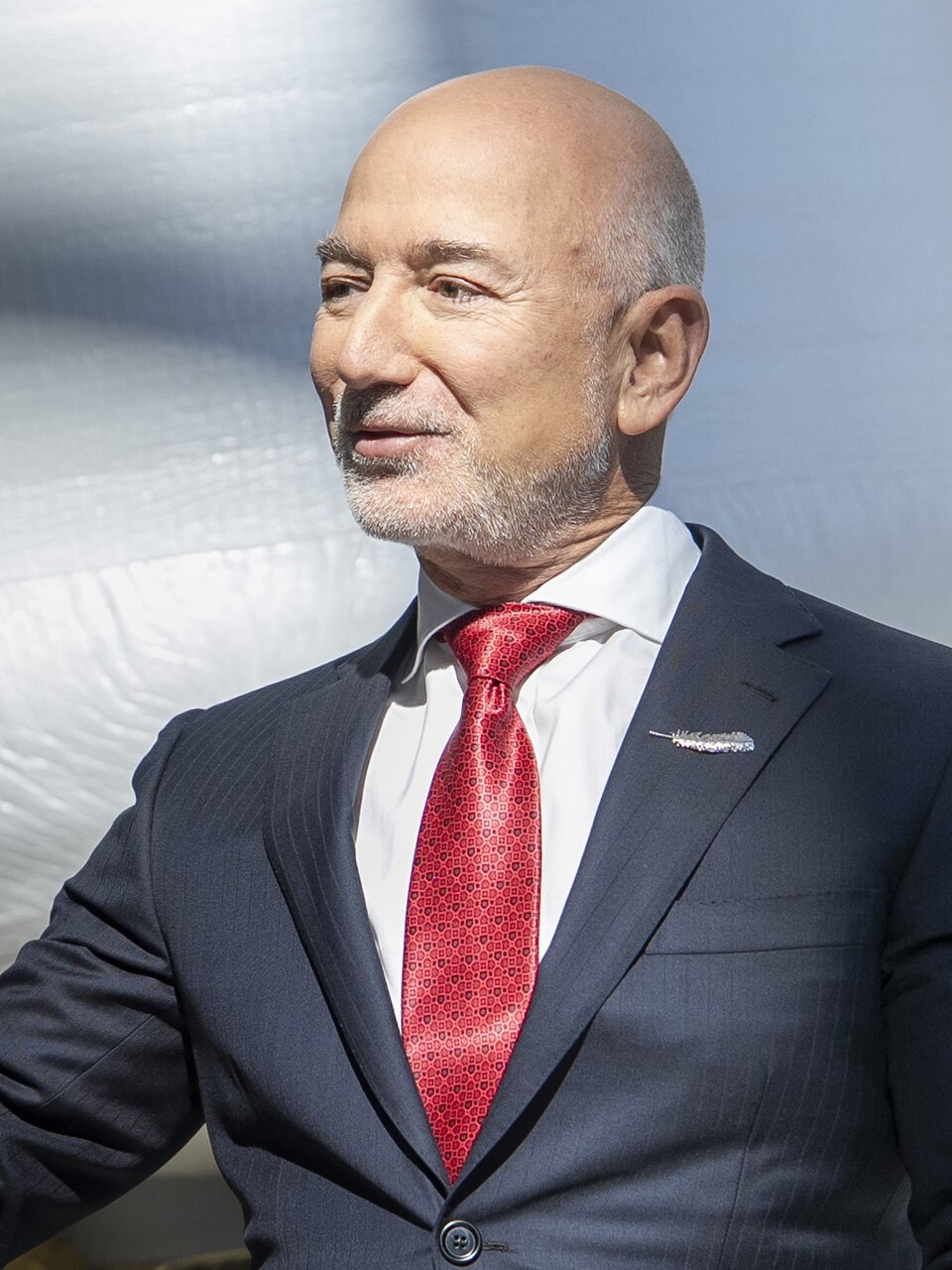
Jeff Bezos

For a long time, the CEO who would eventually sell everything to everyone lived on the cheapest, most childish calories in America.

In the original Bellevue garage years, the founder of an online bookstore ate Pillsbury refrigerated cookie dough straight from the tube — dough he’d bake one cookie at a time when he remembered — and considered pizza a food group. “I love pizza, I eat it all the time,” he said on stage at a shareholder meeting, to laughter, decades after the fact, because it had by then become a self-parody of his twenties.

Then came the visible decade. Somewhere after the record divorce and the rocket hobby entered full swing, the tabloids stopped writing about his space yawls and started writing about his arms. Photographed in 2024 through 2026, the man who once leaned into any dinner that could be delivered looked progressively, improbably jacked — lean, vascular, tank-top season at the beach in St. Croix.

The diet behind it he has never published, and his camp discloses nothing, so the record is inference from trainers quoted in wellness press and the occasional photographed plate: high protein — lean meat, fish, eggs, Greek yogurt, some reports say forty grams per meal across three or four sittings — whole foods, Mediterranean seafood, heavy caloric management disguised as “lifestyle.” No supplements he’ll own on camera; no fasting protocol he’s named.

The training is better documented. Reportedly daily and short-but-brutal: high-intensity intervals, weights to failure, “a lot of it is done in a way that’s almost like a workout for a football player,” a former trainer told press. Pickleball matches on the island and in Beverly Hills. Kite-surfing. And the sailing that turns out to be less about exercise than about the 47-foot catamaran he named after the old company logo.

What he actually preaches, in the rare personal interviews, is not the gym. It’s the night. “I function really, really well on eight hours,” he posted on Instagram in 2018. “A good night’s sleep makes me smarter… decision quantity goes down but decision quality goes way up.” Eight hours, full stop, and a rule he keeps: nothing hard decided before coffee and breakfast, both of which he takes slow.

Sleep, it turns out, may be the most expensive supplement in the house on the water.

His name is Jeff Bezos. He is 62 years old, the second-richest person in the world at around $361 billion, and he went from eating cookie dough out of a tube to a physique that makes personal trainers write think-pieces about “the Bezos protocol.”


Sources & citations

  • Mashed, “What Jeff Bezos Really Eats” (2025) — Pillsbury dough, pizza quote — mashed.com/1775790
  • Wellness Room / Trainify profile (2025) — HIIT + weights trainer accounts — trainify.me/wellness-room
  • Instagram post, Bezos (2018) — “I function really, really well on 8 hours” — archived in multiple outlets
  • Business Insider (2024) — leaner-in-public photo coverage and pickleball sightings
  • Net worth: Forbes Real-Time, Nov 2026 — forbes.com/billionaires

Part 4 of the series “What Billionaires Actually Eat.”
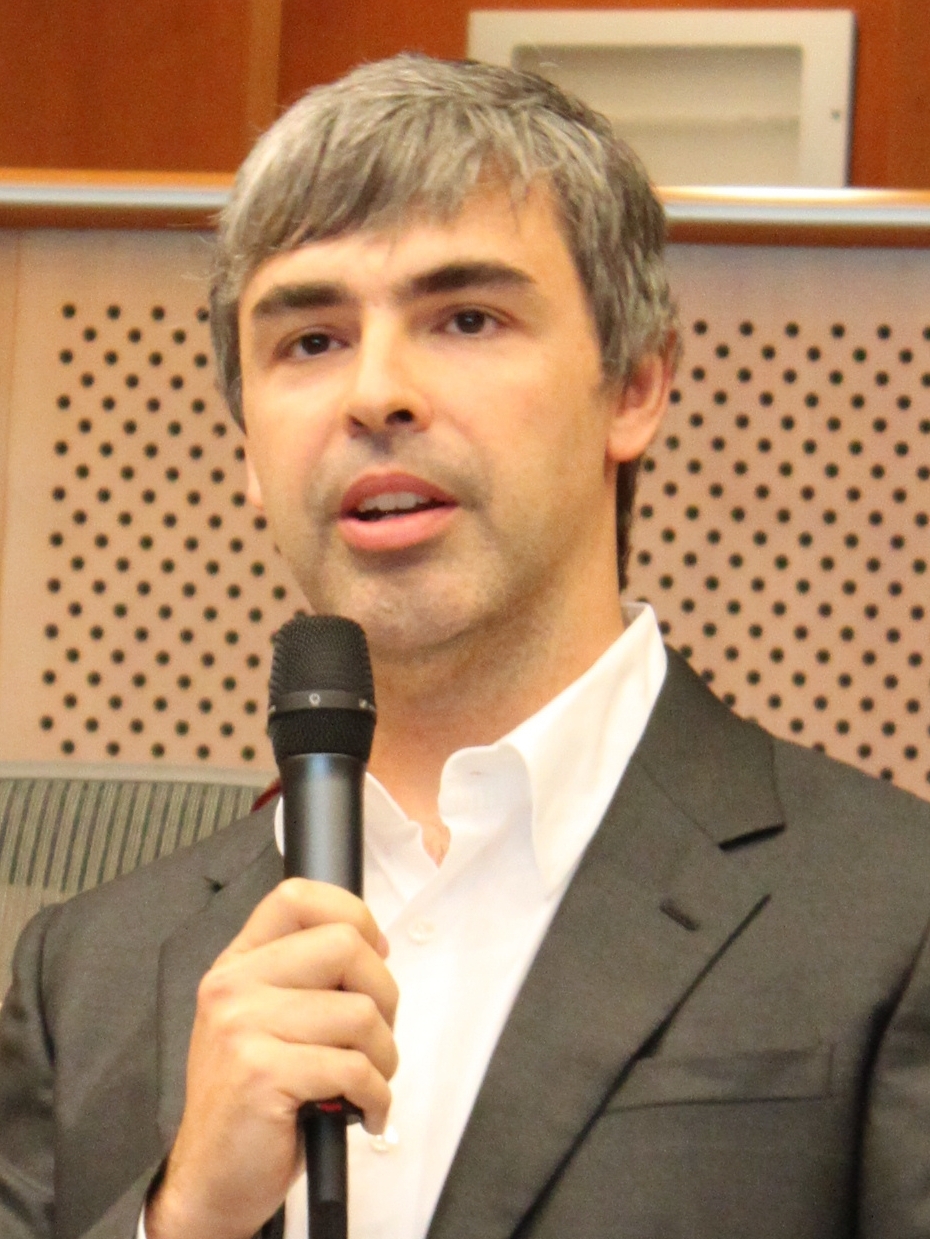
Part 5 of 10

The Engineer Who Deleted Breakfast

Larry Page

Two founders built the largest information company in history. One of them then quietly deleted one of the three meals humans are told never to skip.

His is the thinnest-documented eating pattern of the ten, and it mostly arrives by way of other people. The version that recurs in the health press — a compressed eating window, lunch and dinner only, nothing before noon, breakfast simply deleted as a decision — gets attributed to an interview he is not on record as having given. Read it as reported, not quoted. What does hold up is the shape of it: no calorie counting, no protocol to sell, a schedule treated as an engineering constraint rather than a diet.

The older anecdote fits the same shape. During the early Google campus-building years, this founder asked that a supply of his personal smoothies be kept in the buildings’ kitchens — a man who lived more comfortably on liquids than solids. Reporters described a soft vegetarian phase. No keto, no fasting-app gospel, no biohacking lab. When other tech billionaires bought anti-ageing clinics, he bought an ageing company — Calico, launched in 2013 with the line that death is “very sad” and that the Google-scale answer would be to “attack it.”

Exercise is reported, never announced: a daily walk through the Palo Alto hills with colleagues, occasional yoga, a general restlessness that colleagues describe — pacing during meetings — rather than gym discipline. The one thing visible is the absence of the usual Silicon Valley performance: he does not photograph himself mid-marathon or brew his own beef supply.

What he does announce, occasionally, is the spending, and the impatience behind it: flying-car ventures, Calico, and a long-running public argument that the world is solving too small a set of problems too slowly. The pattern colleagues describe is a man who tests ideas — and, sometimes, his own habits — the way he would test a search ranking: a thousand small experiments, no announcement of the results.

Whether he still eats that way is, like most of what he does now, unannounced. He has not retracted it either.

His name is Larry Page. He is 53 years old, the third-richest person in the world at about $231 billion, and the man who decided breakfast was not a requirement.


Sources & citations

  • Six-hour eating window — reported across health press (e.g. Hone Health’s intermittent-fasting round-up); original interview not located (checked Nov 2026) — treated as reported, not quoted
  • Google cafeteria / smoothie anecdote — NYT and Vanity Fair coverage of Google’s campus years (2007–2012)
  • Calico launch (2013) — “attack death” — Calico press coverage
  • Net worth: Forbes Real-Time, Nov 2026

Part 5 of the series “What Billionaires Actually Eat.”
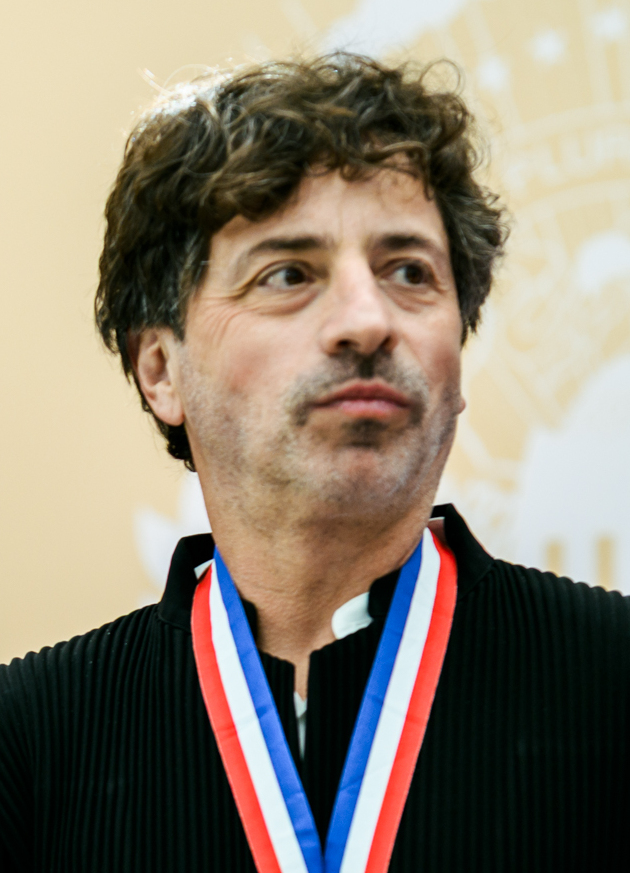
Part 6 of 10

The Man Who Metabolized His Own Research

Sergey Brin

The other co-founder went to a different extreme: he turned his own genome into the experiment.

In 2008 he published a blog post whose title told you everything about the method — LRRK2 and me. A DNA test had come back with the mutation carried by familial cases of Parkinson’s disease. His mother had been diagnosed with the condition a decade earlier. The number he repeated afterwards was roughly 50% lifetime risk, against about 1% for everyone else — not a diagnosis, an actuarial fact about his own skull. Most people who learn that buy a supplement. He reorganised his life around it.

The habits follow the numbers rather than the other way round. He has spoken about eating less and eating carefully, about sleep as an intervention rather than a luxury, and about exercise the way an engineer talks about instrumentation — something you do because it moves the reading. What he has never done is sell the protocol. No Brin stack, no Brin brand, no book.

The money went the same direction as the science. In 2019 his foundation and Michael J. Fox’s launched ASAP — Aligning Science Across Parkinson’s — a collaborative network spread across five continents and, by late 2023, running at roughly $350 million a year. By 2022 Forbes had counted more than $1.1 billion of Brin’s own money into the disease, a figure that has only grown since. The logic isn’t complicated: when your own nervous system is the thing on trial, solving it stops being philanthropy.

He is not, notably, a patient. He is a man who knows his odds and has spent nearly two decades trying to shorten them — which, of the ten people in this series, is the least fashionable approach available and possibly the most rational.

His name is Sergey Brin. He is 53 years old and, at around $214 billion, the fifth-richest person in the world — and the richest man alive who knows his own genetic odds to two decimal places.


Sources & citations

Part 6 of the series “What Billionaires Actually Eat.”
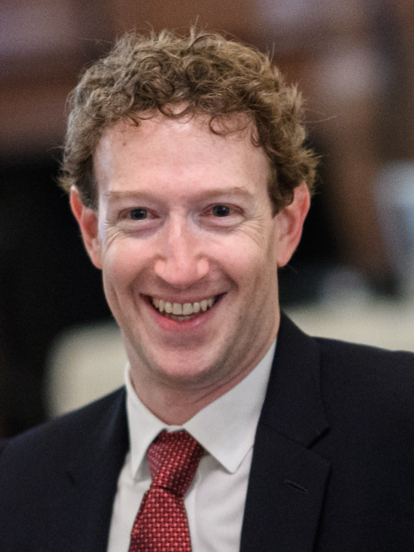
Part 7 of 10

Marathons, Jiu-Jitsu, and Beef He Raised Himself

Mark Zuckerberg

The youngest of this group trains like he’s auditioning for a sport, and eats meat from cattle he personally farms.

In 2026, the CEO of the world’s largest social network published a short video from his Hawaiian estate explaining a hobby that had started as a joke and become an obsession: on the ~3,000 acres he and his wife have assembled into a working ranch, his cattle are fed roasted macadamia nuts, and given a choice of cold water or beer — brewed by him, for them — because the alcohol stimulates appetite and the nuts carry the fats and sugars that finish a steak. The goal, stated on camera without irony: “the highest-quality beef in the world.” Every cow, reportedly, eats like a contestant at a state fair he owns.

It is the fourth phase of a long, public, and increasingly sincere diet experiment history. In 2013 he spent a month strictly vegan and posted the grocery list. He followed with a paleo period, then an obsession with sourcing every bite himself — the famous anecdote: he once ate nothing but meat from animals he hunted or raised for an entire year, which is why there is now a ranch with his cattle on it. He has never called any of it a diet. He calls it doing the thing.

The thing he now actually does daily is martial arts. Since 2023 he has trained Brazilian jiu-jitsu several times a week with a professional coach, competing at his company’s internal games — he won medals in gi and no-gi divisions — and describing the submission grappling as the part of the schedule no board meeting replaces. The second thing is running: he hired a distance coach, trained through 2025, and crossed the finish line of the New York City Half Marathon in about 1 hour 36, then completed a full marathon weeks later, posting splits like a mid-pack club runner who discovered mid-life that his body was a product he hadn’t yet optimized.

He sleeps, by his own account, not enough, and has said he doesn’t diet-count. The food philosophy is protein-heavy, self-supplied, performance-shaped. The exercise philosophy is combat and cardio because they’re fun — the same impulse that made him pick up disc golf, horseback riding, and a MMA gym inside a campus building.

Ask him the secret and he’ll show you a cow, a medal, or a 4-hour wall-clock schedule he’s optimized like an app.

His name is Mark Zuckerberg. He is 42 years old, the sixth-richest person in the world at about $211 billion, and the man feeding macadamia nuts and beer to the cattle that feed him.


Sources & citations

  • Fortune, “Mark Zuckerberg feeds his cattle nuts and beer” (Jul 2026) — fortune.com/2026-07-02
  • His own 2024–2025 X posts — BJJ medals, Meta Games; 1:36 NYC half marathon; 2025 full marathon splits — x.com/zuck (verified in news coverage)
  • 2013 vegan month — documented Facebook posts + Deadspin archive; paleo/self-sourced year — multiple 2013–2015 profiles

Part 7 of the series “What Billionaires Actually Eat.”
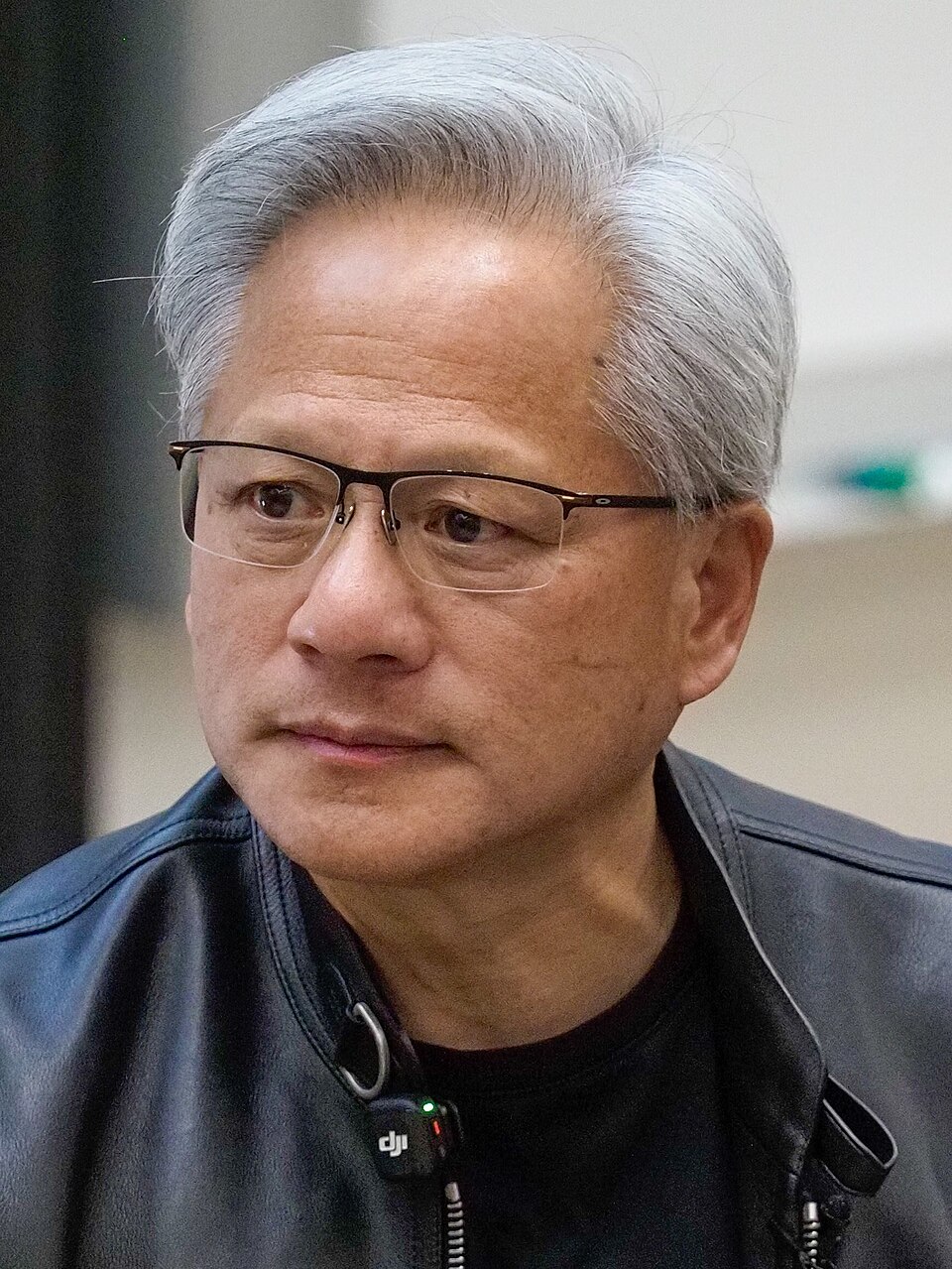
Part 8 of 10

The Man Who Forgets Lunch Exists

Jensen Huang

The CEO whose chips run the world’s artificial intelligence will tell you, cheerfully, that he has no routine at all.

Jensen Huang became, in 2025–2026, the face of the machine economy — his company’s market value briefly passing whole nations — and every profile about the machine asks the man about food. He has a standing joke about it. He has said, in interviews, that when a problem is open in his head he simply doesn’t eat: coffee, sometimes green tea, an occasional “one square meal” when the day finally breaks. He once recalled, with enormous affection, the days running three jobs as a teenager and eating Denny’s pancakes at 2 a.m. — and the fondness never died; the man worth $178 billion still describes a good breakfast as a good breakfast, not a protocol.

There is no diet. No fasting window, no ketone meter, no ranch. There’s the utilitarian fueling of a work animal: he has joked to Chinese and American press alike that his morning is coffee and whatever his assistant puts in front of him, and his famous line about his life is that he never took a vacation because there was nothing better to do. Asked once what he’d eat on the last day, he said something like: whatever my mother would have cooked.

Exercise is, as far as the public record shows, a non-entity. No gym hours, no marathon, no jiu-jitsu. A man who sleeps in airports and runs 7-day weeks on caffeine, willpower, and what he describes as a constitution “I don’t want to test.”

Ask him the longevity secret — and journalists have, constantly, because he’s 63 and looks tireless — and Huang has one answer, and he gives it every time with an unsettling straight face: treat the hardest work as the privilege. In his most quoted commencement and keynote stretches (Stanford 2024, UCSF and corporate stages since), he told graduates he wished them “suffering” and “pain” — not as cruelty, but as the price of anything worth doing — and said the reason he never burns out is that the pressure he loves is the vacation other people take. His stamina is not optimized. It is motivated.

Whether biology eventually bills anyone in this category is unknown; what’s recorded is a man who has not slowed down, not dieted, not retired, and not once claimed his habits were anything but work.

His name is Jensen Huang. He is 63 years old, the seventh-richest person in the world at roughly $178 billion, and he has, by his own admission, eaten approximately one square meal per problem.


Sources & citations

  • owaves / topdailyroutines compiled Huang routine profiles (2024–2026) — coffee/green tea, sparse meals — owaves.com
  • technori (2024) — Denny’s pancakes backstory, from his own keynote anecdote — technori.com
  • Stanford CS graduation keynote (2024) — “wished you suffering and pain” — youtube/stanford
  • Multiple 2024–2025 interviews on “no vacation” — compiled in press profiles
  • Net worth: Forbes Real-Time, Nov 2026

Part 8 of the series “What Billionaires Actually Eat.”
Part 9 of 10

Carrot Juice, Tuna, and Three Hours of Pull-Ups

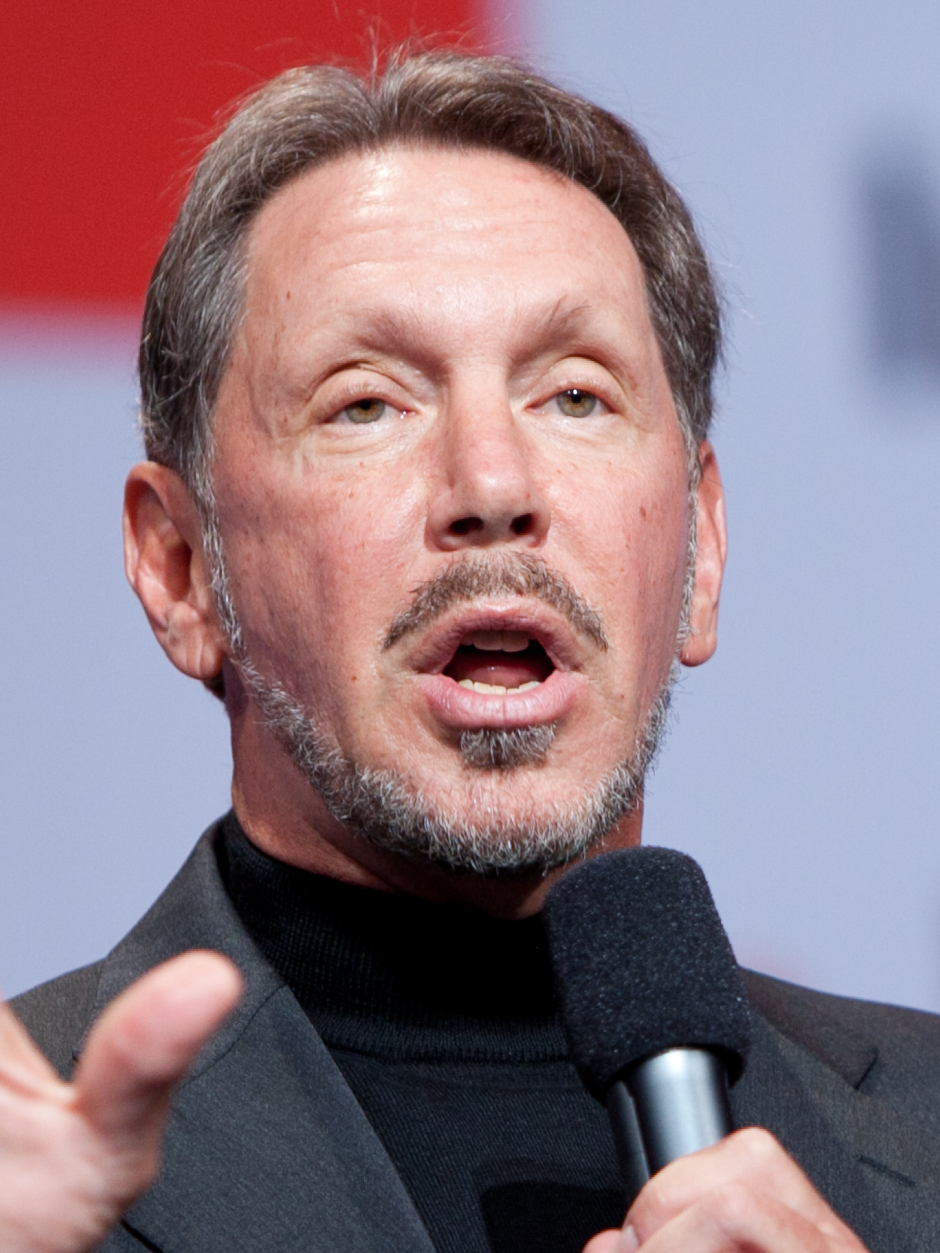
Larry Ellison

He is the only man on this list whose diet and gym history are reported by people who had to live with both.

In a 2018 Quora post that the business press still cites as the best on-the-record portrait of him, Gina Smith — who worked with the Oracle founder for nearly a decade across three companies — described a man in the 1990s and 2000s who trained for several hours every day, ran a meticulous diet, and lived as though health were another product to ship. Others who’ve briefed on the routine add the details that made him a tabloid fixture at 80: no alcohol, no drugs, green tea, fish, vegetables, fruit, and for a long while carrot juice as the constant beverage; gym sessions reported by multiple sources as measured in hours rather than minutes.

That’s the diet. The rest is a sport. He races ocean sailboats — two America’s Cup wins (2010, 2013), then a 7-1 defeat in Bermuda in 2017 — not as an owner in a box seat but as a crew member training physically for months. He is a licensed jet pilot, a scuba diver to 100 ft, a tennis player, a surfer, and a triathlete at an age where triathletes are usually retired. When a photo of him at a tech event in 2024 — sun-bronzed, taut, in a linen shirt, aged 80 — circulated, the longevity influencer Bryan Johnson publicly called it “the most impressive anti-aging result I’ve seen in a person this age,” and the tabloids ran the 80-she’s-60 story for weeks.

He has never confirmed the biohacking that press speculation assigns him — face-lift, hyperbaric oxygen, the rapamycin-and-supplement frontier that the wealthy now visit like a spa. What’s on record is more pedestrian and much rarer: a man who has exercised for hours, daily, for decades, eats like a Mediterranean fisherman with a juicer, sails like he’s 30, and started all of it before longevity was a product category.

Oracle remains his engine; he is its executive chairman and chief technology officer at 82, still in the building, still arguing about database performance, still — per former colleagues who describe it as a personality trait more than a routine — impossible to outrun.

His name is Larry Ellison. He is 82 years old, the eighth-richest person in the world at about $172 billion, and the clearest argument this series can make that discipline is not a diet.


Sources & citations

  • Gina Smith on Quora (2018), cited by Business Insider — hours-long workouts, meticulous diet — businessinsider.com/2024-09
  • Fortune (Sep 2024) — carrot juice, anti-aging CEO context — fortune.com
  • Social Life Magazine celebrity longevity profile — pescatarian / green tea compilation [S]
  • Oracle press, America’s Cup record — wins in 2010 and 2013; 7-1 loss to Emirates Team New Zealand, Bermuda 2017 (AP); pilot/diver/surfer credentials
  • Net worth: Forbes Real-Time, Nov 2026

Part 9 of the series “What Billionaires Actually Eat.”
Part 10 of 10

The $3 Breakfast and the 96-Year-Old

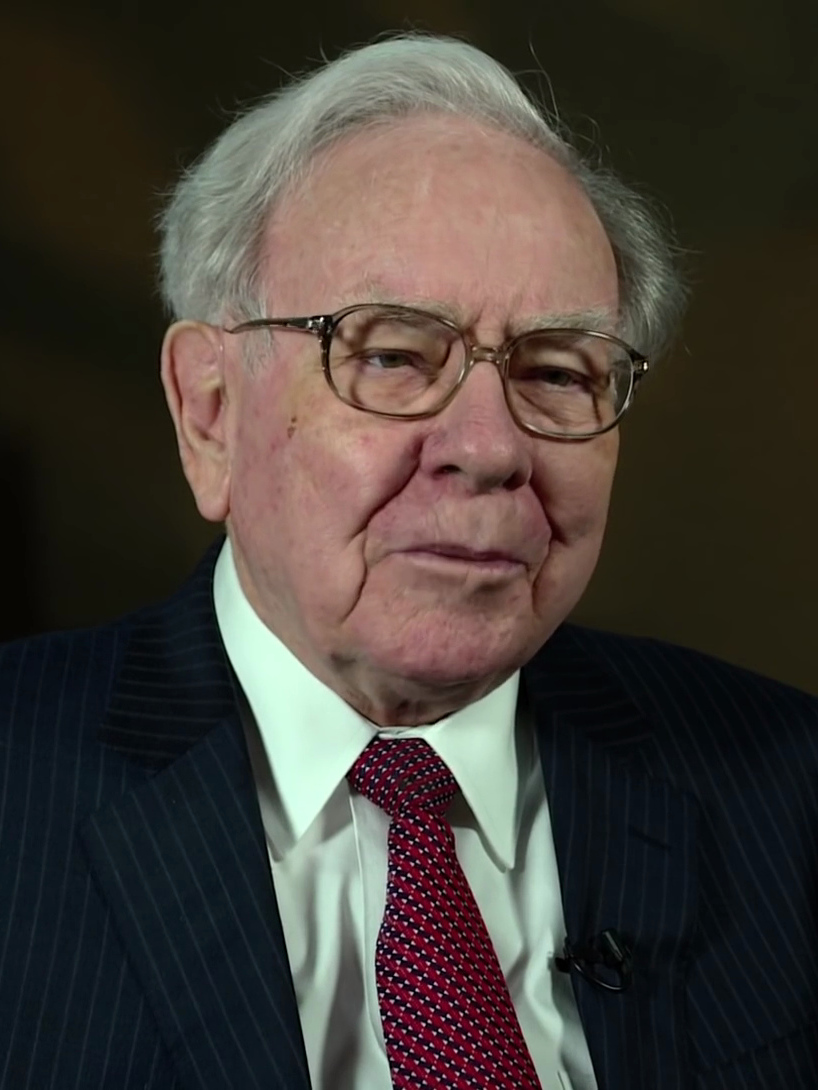
Warren Buffett

For years his breakfast came through a McDonald’s drive-through, and the amount of money in his pocket was decided at home: his wife Astrid would leave the exact change in the car’s centre cup holder each morning before he left.

He got to choose according to the market. If stocks were up, it was the $3.17: a bacon, egg and cheese biscuit. If the market had slipped he’d pass up the $3.17 and take the $2.95 sausage, egg and cheese. On the mornings he felt less prosperous still, $2.61 — two sausage patties, pressed together — as if rationing himself for the world’s bad news. Washed down, always, with a can of cherry-flavoured cola he’d been drinking by the fives and sixes since a boyhood soda fountain.

At his office desk hung a framed poster that read “GO TO Hell WEIGHT” — a candy company’s advert, and his own joke. His grandchildren filled mason jars with the daily Hershey’s bars he went through like cigarettes. Breakfast, lunch, and dinner at business meetings revolved around steak cooked well-done, chicken nuggets at airports, and ice cream with hot fudge most nights. No gym. No yoga mat. No green juice. His doctor, he claimed, was the one who told him to eat “like a six-year-old” — total calories low, joy high, exercise limited to long walks and pounding a keyboard reading 500 pages of newspapers and annual reports a day.

In 2023 his favourite soda company ran a promotion where he split a single custom Coke bottle: 50% cherry vanilla, 50% regular, 55 ounces of dessert, shared with the CEO. He’s said the only thing he regrets not eating is more candy before bed.

Nutritionists who see his chart would faint. Epidemiologists call him a fascinating outlier. He calls it “the compound interest of knowledge and the calories of a child.” He still works six days a week, still lives in the same grey stucco house he bought in 1958 for $31,500, and still plays online bridge four nights a week with a friend from the software business.

The man who ate like a kindergartner outlived the century of diet science that said he shouldn’t.

His name is Warren Buffett. He is 96 years old, still chairman of Berkshire Hathaway, still one of the three richest people on the planet — and his daily McDonald’s order, cherry Coke, and five candies remain the most studied “worst diet in history” ever to produce a nonagenarian billionaire.


Sources & citations

Part 10 of the series “What Billionaires Actually Eat.”